
Cape Verde EASE, airport tax and visa: the entry formalities
Every traveller arriving in Cape Verde on an international flight must complete the EASE pre-registration before departure and pay the airport security tax of CVE 4,400 (≈ €40). Some nationalities also need a visa, applied for on the same form.
- EASE tax per traveller
- CVE 4,400≈ €40
- average observed processing time
- 7 hours
- visa-free stay
- 30 days
Do your EASE pre-registration with assistance
Leave your email and receive the link to start an assisted application.
- Details checked before submission
- Follow-up by email until the EASE receipt
- Help in English, by email
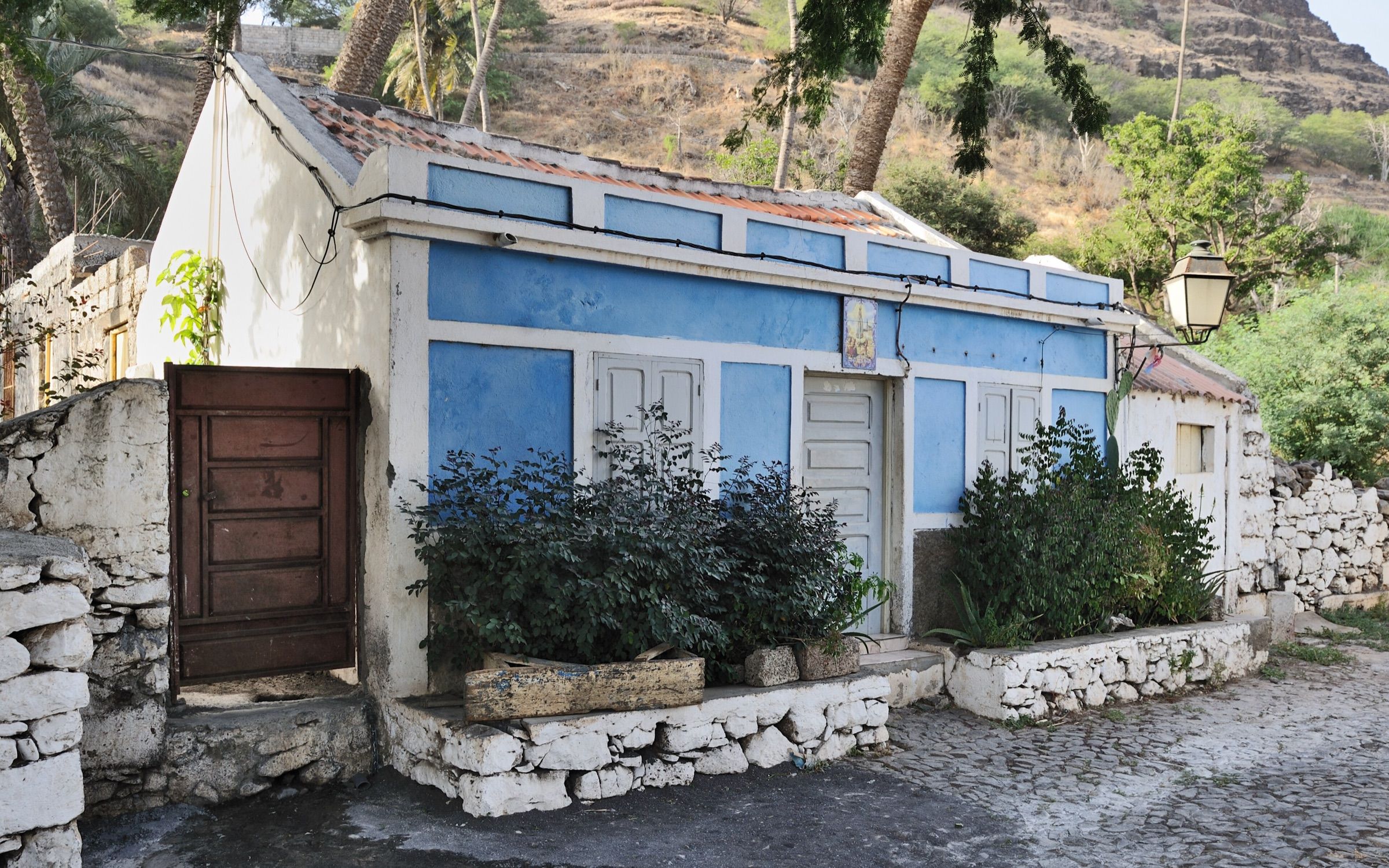
Pico do Fogo, 2,829 m, above the lava flows of the caldera. Its last eruption, in 2014 and 2015, buried part of the villages of Chã das Caldeiras.
Visa
No visa for a stay of up to 30 days for 57 nationalities, including those of the European Union, the UK and the US. The EASE pre-registration is still mandatory.
Airport tax
CVE 4,400about ≈ €40, paid with the EASE. Children under 2 years are exempt.
EASE on arrival
The pre-registration is done online, before departure, ideally at least 5 days ahead. The tax is only paid on arrival as an exception, with possibly long queues.
Children
No EASE and no tax under 2 years. From 2 years, each child has their own application, except minor children of a Cape Verdean passport holder, who are exempt.
Passport
Valid for the whole stay, with a flight reservation to show at border control.
Currency
Cape Verdean escudo (CVE), at a fixed parity with the euro: 110.265 CVE to €1. It cannot be imported or exported.
Cape Verde EASE: pre-registration and airport tax
EASE, the “efficient, automatic and safe entry of travellers”, is the online pre-registration Cape Verde requires from every traveller before arrival. It is also how the airport security tax is paid, CVE 4,400 (≈ €40) per person; on recent applications it is issued in 7 hours on average.

- Book the flightThe flight to Cape Verde is asked for in the form, with the dates of the stay.
- Fill in the EASE formOne application per traveller: identity, passport, flight, address during the stay.
- Pay the taxCVE 4,400 (≈ €40) by card, except for children under 2 years.
- Keep the receiptIt is shown at border control on arrival, printed or on a phone.
Who needs an EASE?
Every traveller arriving in Cape Verde on an international flight, whatever their nationality, visa-exempt nationalities included. Every traveller aged 2 years and over has their own application, children included.
Exempt from the pre-registration and the tax:
- children under 2 years;
- holders of a Cape Verdean passport and people born in Cape Verde, with their children under 18 and their spouse;
- foreigners resident in Cape Verde, on showing their residence permit;
- passengers in transit at a Cape Verdean airport;
- passengers on an official mission.
Note: since 1 January 2026, nationalities that need a visa also need one for a mere transit or stopover at a Cape Verdean airport, even without an EASE.
Can I do the EASE on arrival?
The pre-registration is done online, before departure. The tax can, as an exception, be paid on entry into the country, but queues at the airport can be long: better to arrive with your EASE receipt.
How much does the EASE cost?
The airport security tax has been CVE 4,400 (≈ €40) since 4 November 2026 (Decree-Law 49/2026), at the fixed rate of 110.265 CVE to €1. It is paid online, during the pre-registration.
When should I pre-register?
As soon as the flight is booked, and ideally at least 5 days before travelling. The average time observed on recent applications is about 7 hours, but it depends on the load of the portal: better not to wait until the day before departure.
Documents to prepare · EASE
- Flight reservationa one-way flight to Cape Verde is enough
- Passportvalid for the whole stay
Sources: official EASE portal (ease.gov.cv) for exemptions and transit; Decree-Law 49/2026 for the tax amount; travel-formalities reference database for amounts, exemption age and observed processing time. The list of visa-exempt nationalities is in the Visa chapter.
Cape Verde visa: which nationalities need one
47 nationalities must apply for a visa on top of the EASE, on the same online form. The total is CVE 6,900 (≈ €63), of which CVE 2,500 (≈ €23) for the visa, for a stay of up to 30 days.
How do I apply for the Cape Verde visa?
The tourist visa is applied for online, together with the EASE: the form is the same, only the amount changes. The visa is issued for a stay of up to 30 days, single entry, and must be used within 90 days of issue.
Apply at least 5 days before departure. Children under 2 years have no EASE tax to pay: only the visa part is due, CVE 2,500 (≈ €23).
What about other reasons for travel?
The online visa covers tourism. For work, study or a longer stay, apply to a Cape Verdean embassy or consulate.
Documents to prepare · Visa + EASE
- Passportvalid for the whole stay
- Flight reservationa one-way flight to Cape Verde is enough
Visa-exempt nationalities: EASE only (57)
 Angola
 Austria
 Belgium
 Benin
 Brazil
 Bulgaria
 Burkina Faso
 Canada
 Croatia
 Cyprus
 Czechia
 Denmark
 Estonia
 Finland
 France
 Gambia
 Germany
 Ghana
 Greece
 Guinea
 Guinea-Bissau
 Hong Kong
 Hungary
 Iceland
 Ireland
 Italy
 Ivory Coast
 Latvia
 Liberia
 Liechtenstein
 Lithuania
 Luxembourg
 Mali
 Malta
 Monaco
 Morocco
 Mozambique
 Netherlands
 Niger
 Norway
 Poland
 Portugal
 Romania
 Russia
 San Marino
 Senegal
 Sierra Leone
 Singapore
 Slovakia
 Slovenia
 Spain
 Sweden
 Switzerland
 Togo
 United Kingdom
 United States of America
 Vatican City
Nationalities that need a visa: visa + EASE (47)
 Albania
 Antigua and Barbuda
 Argentina
 Australia
 Bahamas
 Barbados
 Belize
 Bosnia and Herzegovina
 Cameroon
 China
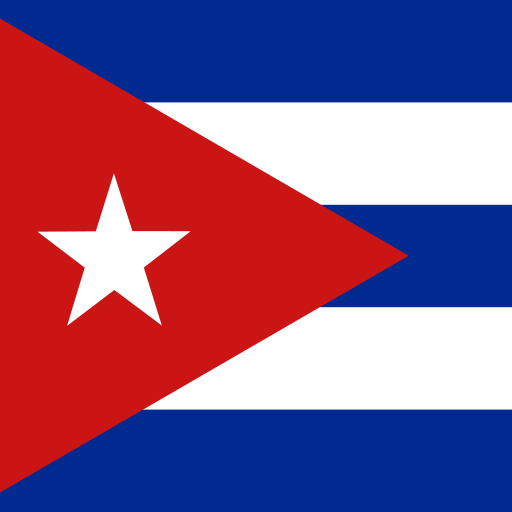 Cuba
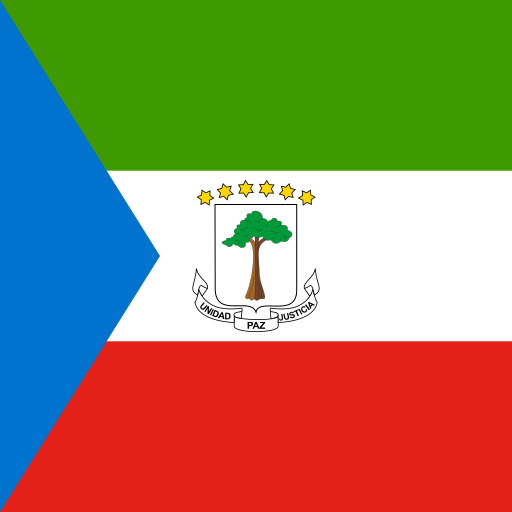 Equatorial Guinea
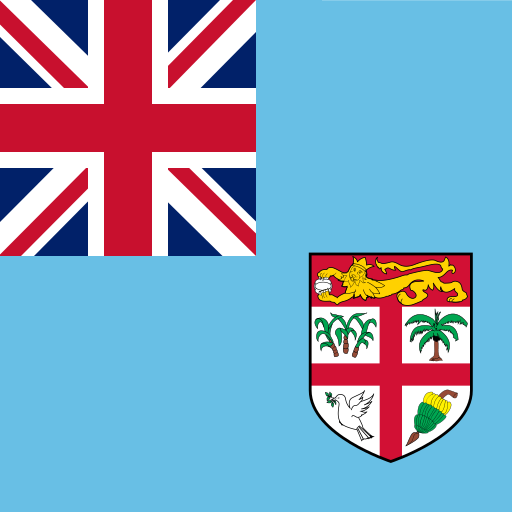 Fiji
 Georgia
 Grenada
 India
 Israel
 Japan
 Kenya
 Kuwait
 Malaysia
 Maldives
 Marshall Islands
 Mauritius
 Micronesia
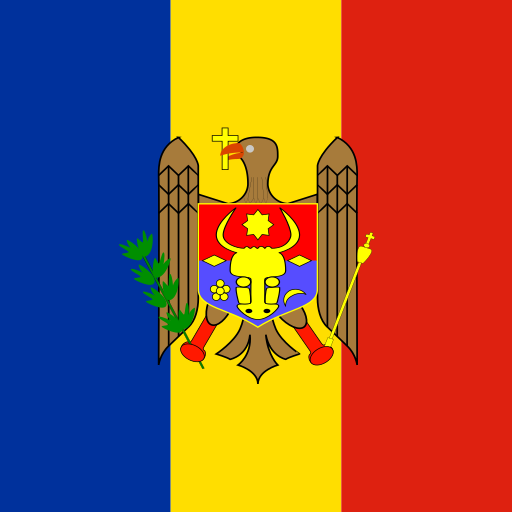 Moldova
 Montenegro
 New Zealand
 North Macedonia
 Qatar
 Rwanda
 Saint Kitts and Nevis
 Saint Lucia
 Saint Vincent and the Grenadines
 São Tomé and Príncipe
 Saudi Arabia
 Serbia
 Seychelles
 Solomon Islands
 South Africa
 South Korea
 Taiwan
 Thailand
 Turkey
 Ukraine
 United Arab Emirates
 Uruguay
If your nationality is on neither list, check with a Cape Verdean embassy or consulate before booking.
Before you go to Cape Verde: four steps
Four moments, in the order they come, from booking to border control on arrival.
When you book
Check your passport’s expiry date: it must remain valid for the whole stay. Keep the flight reservation, it is asked for in the EASE and at border control.
Before departure
Complete the EASE pre-registration and pay the CVE 4,400 (≈ €40) tax, with the visa if your nationality needs one. One application per traveller.
When packing
Duty-free allowance: 2 litres of wine and 1 litre of spirits; 200 cigarettes, 50 cigars or 250 g of tobacco. No escudos: they are exchanged on arrival.
On arrival
Show your passport and the EASE receipt. If you arrive from a country where yellow fever circulates, a vaccination certificate is required from age 1.
Arriving in Cape Verde: airports, customs and money
The archipelago has ten islands, in two groups. To the north, the Barlavento or windward islands: Santo Antão, São Vicente, Santa Luzia (uninhabited), São Nicolau, Sal and Boa Vista. To the south, the Sotavento islands: Maio, Santiago, Fogo and Brava.
International flights land at 4 airports. The other islands are reached by domestic flight or ferry; Santo Antão and Brava can only be reached by sea.
- SIDAmílcar Cabral, Sal (Espargos)
- BVCAristides Pereira, Boa Vista (Rabil)
- RAINelson Mandela, Santiago (Praia)
- VXECesária Évora, São Vicente (Mindelo)
Customs and money
The Cape Verdean escudo cannot be imported or exported: change euros on arrival, at banks or exchange offices. Its parity with the euro is fixed (110.265 CVE to €1).
Getting around Cape Verde: inter-island ferries and flights
Two ways to travel between the islands: by ferry, run by CV Interilhas on four lines, and by plane, run by CVsky since 29 March 2026. Santo Antão and Brava have no airport: they can only be reached by sea.

Ferry
CV Interilhas
Ferry company of the ETE group. It serves the nine inhabited islands on four lines, including the daily crossing between São Vicente and Santo Antão.
Website: cvinterilhas.cv

Domestic flights
CVsky
Brand of Linhas Aéreas de Cabo Verde, a state-owned company. It has run domestic flights since 29 March 2026, with ATR 72-600 aircraft.
Website: cvsky.cv

Domestic flights
Cabo Verde Airlines
The national carrier, focused on international routes, still runs a few occasional domestic flights between Santiago, Sal and São Vicente.
Website: caboverdeairlines.com
Ferry routes
| Route | Days and departures | Time | One-way fare |
|---|---|---|---|
| São Vicente → Santo AntãoVessel Chiquinho | Out from São Vicente
Back from Santo Antão
|
|
|
| Santiago (Praia) → Fogo → BravaVessel Kriola | Out from Santiago (Praia)
Back from Brava
|
|
|
| Santiago (Praia) → MaioVessel Kriola | Out from Santiago (Praia)
Back from Maio
|
|
|
| São Vicente → São Nicolau → Sal → Boa Vista → Santiago (Praia)Vessel Dona Tututa | Out from São Vicente
Back from Santiago (Praia)
|
|
|
Timetable valid from 25 November 2026 to 7 January 2027. From 8 January 2027 to 21 February 2027, weekday departures from São Vicente to Santo Antão move to 08:00 and 15:00.
Official fares in escudos, all taxes included, for non-Cape Verdean travellers (in force since 1 February 2024); Cape Verdeans pay a reduced fare. Hold luggage beyond the allowance: 300 CVE per item.
In short
- São Vicente → Santo Antão: Mon–Sat: 07:00 and 14:00 ; Sun: 09:00 and 17:00 ; 1 h ; CVE 1,500.
- Santiago (Praia) → Fogo → Brava: Mon, Thu, Sat: 07:00 ; 4 h + 1 h ; from CVE 1,500.
- Santiago (Praia) → Maio: Wed: 07:00 ; Fri, Sun: 17:00 ; 2 h ; CVE 2,300.
- São Vicente → São Nicolau → Sal → Boa Vista → Santiago (Praia): Mon, Fri: 09:00 ; 5 h + 8 h + 3 h + 7 h ; from CVE 2,500.
Flights between the islands
- Routes
- São Vicente ⇄ Sal
- São Vicente ⇄ Santiago (Praia)
- Santiago (Praia) ⇄ Sal
- Sal ⇄ Boa Vista
- Santiago (Praia) ⇄ Fogo
- Baggage
- 1 cabin bag of 6 kg and 1 checked bag of 23 kg (Promo, Standard, Flex); 30 kg checked with Plus.
- Fares
- Prices vary with the date and fare class (Promo, Standard, Flex, Plus) and are shown in escudos when booking.
- Winter schedule
- from 25 October 2026 to 27 March 2027
Sources: CV Interilhas (sailing programme of 23 November 2026, passenger fares), CVsky (fares, baggage, winter schedule), Expresso das Ilhas (2 April 2026).
Health and safety in Cape Verde
Required vaccination
Yellow fever, only if you arrive from a country where it circulates, from age 1.
Recommended vaccinations
Hepatitis A, hepatitis B and typhoid. Rabies is worth considering for a long or remote stay, or contact with animals. The country was certified malaria-free by the World Health Organization in January 2024.
Sources: Institut Pasteur, CDC, World Health Organization. Ask your doctor or a travel vaccination centre for advice.
Safety: what the ministries say
For the five foreign ministries followed: crime, the only risk reported by the ministries.
- France2 / 4level 2 of 4, increased caution
- United Kingdom1 / 4level 1 of 4, normal precautions
- Germany1 / 4level 1 of 4, normal precautions
- United States1 / 4level 1 of 4, normal precautions
- Canada2 / 4level 2 of 4, increased caution
Levels of five foreign ministries, brought to a common scale from 1 (normal precautions) to 4 (do not travel).
Frequently asked questions about the Cape Verde EASE and visa
Is EASE mandatory for Cape Verde?
Yes. Every traveller arriving on an international flight must be pre-registered on the EASE platform before departure, whether or not they need a visa. Exempt: children under 2 years, holders of a Cape Verdean passport and people born in Cape Verde (with their children under 18 and their spouse), foreign residents and passengers in transit.
How much does the Cape Verde EASE cost?
The airport security tax paid with the EASE is CVE 4,400 (≈ €40) per traveller. For nationalities that need a visa, the total is CVE 6,900 (≈ €63), visa included.
Do UK and US citizens need a visa for Cape Verde?
No. Citizens of the United Kingdom, the United States, Canada, Brazil, Switzerland and the European Union enter without a visa for up to 30 days. The EASE and the tax are still due.
How long does it take to get the EASE?
On recent applications, the average observed time between submission and issue is about 7 hours. The visa + EASE must be applied for at least 5 days before departure.
Can I do the EASE on arrival in Cape Verde?
The pre-registration is done online before departure, ideally at least 5 days before travelling. The airport security tax can, as an exception, be paid on entry into the country, but queues at the airport may be long: better to arrive with your EASE receipt.
Which documents are needed for the EASE?
A passport valid for the whole stay and a flight reservation to Cape Verde. The EASE receipt is shown at border control on arrival, printed or on a phone.
Do children need an EASE?
Children aged 2 years and over each have their own application and pay the tax. Under 2 years, no EASE is needed; if the child’s nationality needs a visa, the visa application is still required, but only the visa part is paid, CVE 2,500 (≈ €23).
How long can I stay in Cape Verde without a visa?
Up to 30 days per stay for visa-exempt nationalities. For longer, an extension is requested in the country from the immigration and border services, before the 30 days run out.
Where is the official EASE pre-registration done?
On the Cape Verdean government portal, ease.gov.cv. This site is independent: it explains the process and offers, for those who want it, an application assisted by a private service.
Get the link to apply for an EASE
The official portal remains open to everyone. If you would rather have assistance, leave your email: you receive the link to start an application checked before submission, with follow-up until the EASE receipt.